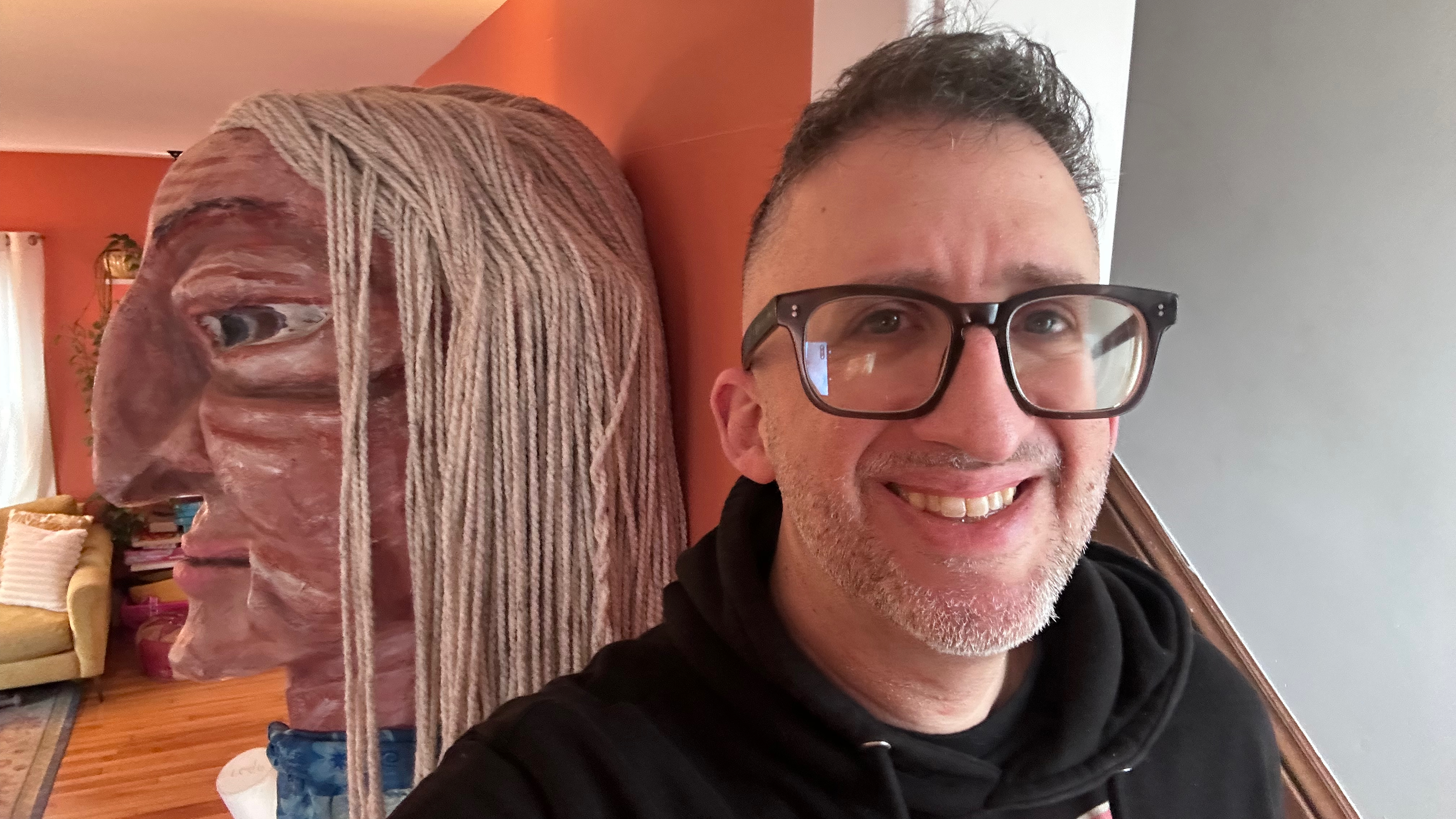
👋 Hey, I'm Basil.
I tend to make things as my way of participating in the world around me. It started with a heavy metal fanzine I put out in high school. From there, I've made books, films, music, tech, a record label, a zine distro, a film production company, and a lot more.
What I'm doing now
Film + Video
I worked on my first documentary film in 2004, and I've been making films in one form or another ever since. This work has screened at festivals around the world, and I've been lucky to work with some amazing people along the way.
Selected work
All films + video
Show
Type
Music + Audio
I've fallen in love with music a million times in my life. My first concert was Donna Summer. My first band was a junior high heavy metal group called Court Jester. I'm always finding another sound that makes me feel connected to the world around me.
Kitchen Dance Party — KRSM 98.9 FMOn Air
A one-hour music history dance party, airing Wednesdays at 1pm Central on KRSM community radio in Minneapolis. Archives are on the Internet Archive.
Bands + Other recordings
I joined my first band in junior high and have played music on and off since. Here's some of it.
Further Beyond Records
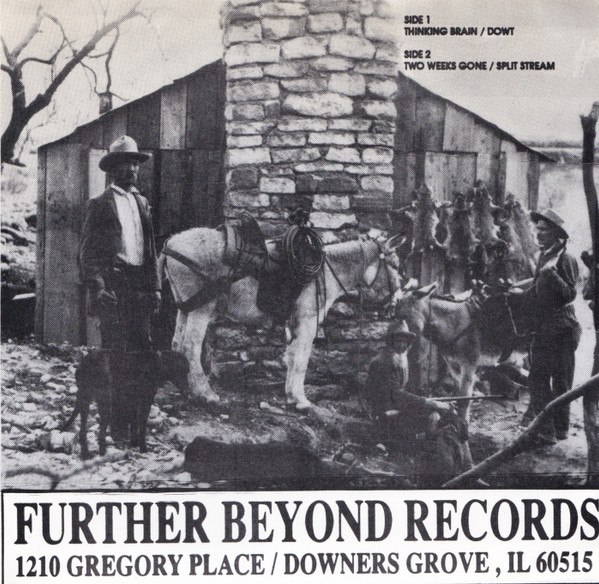
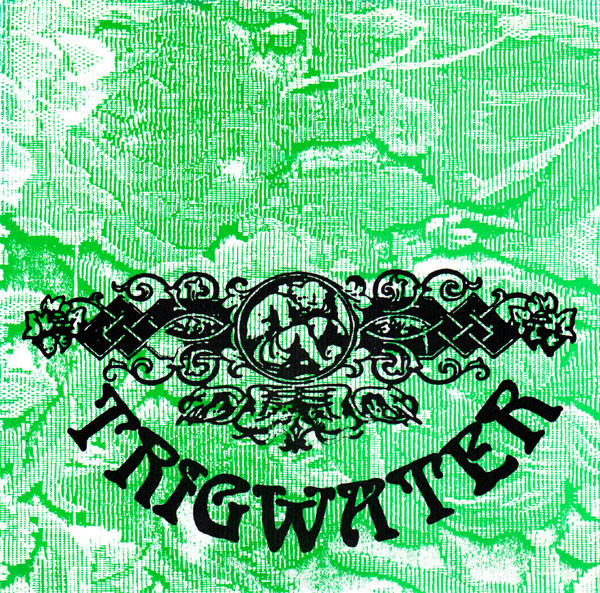
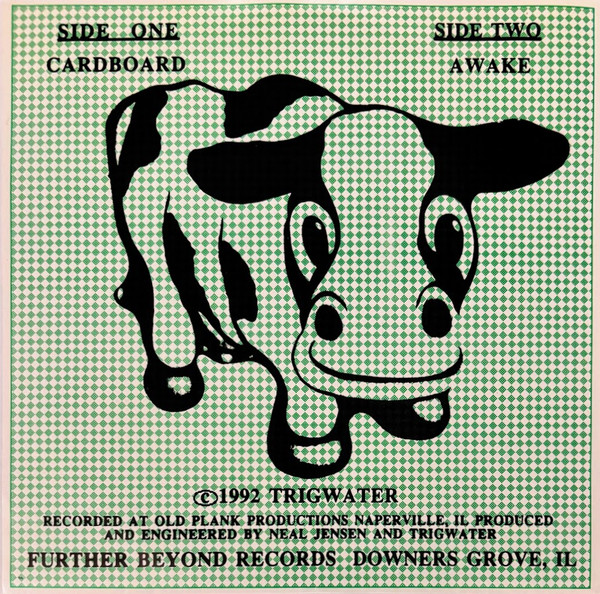
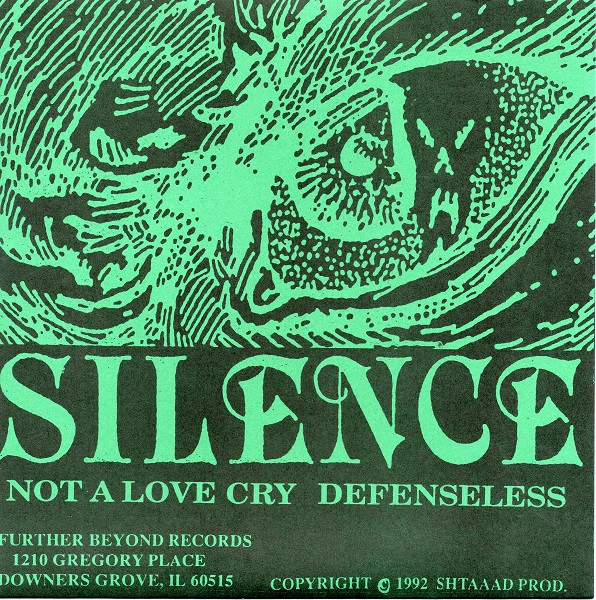
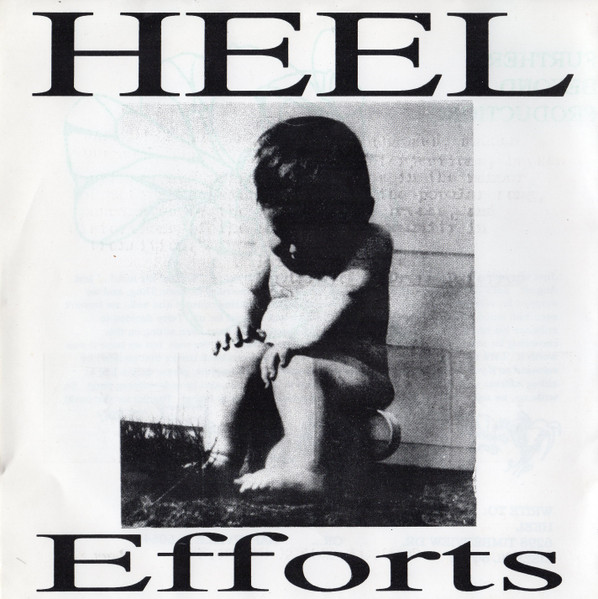
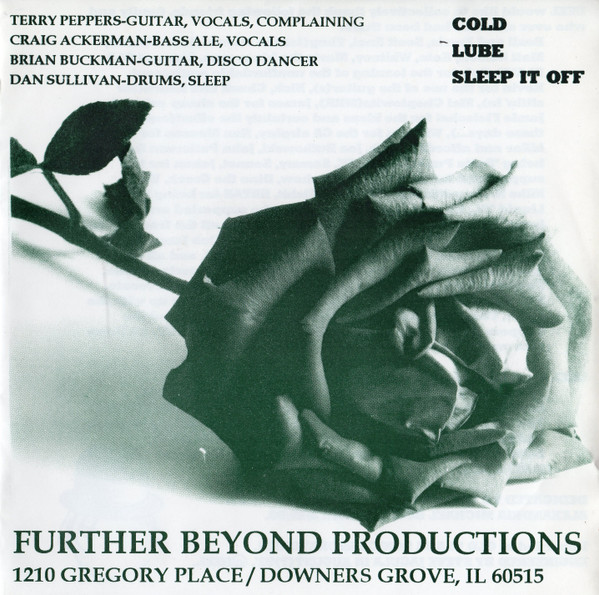
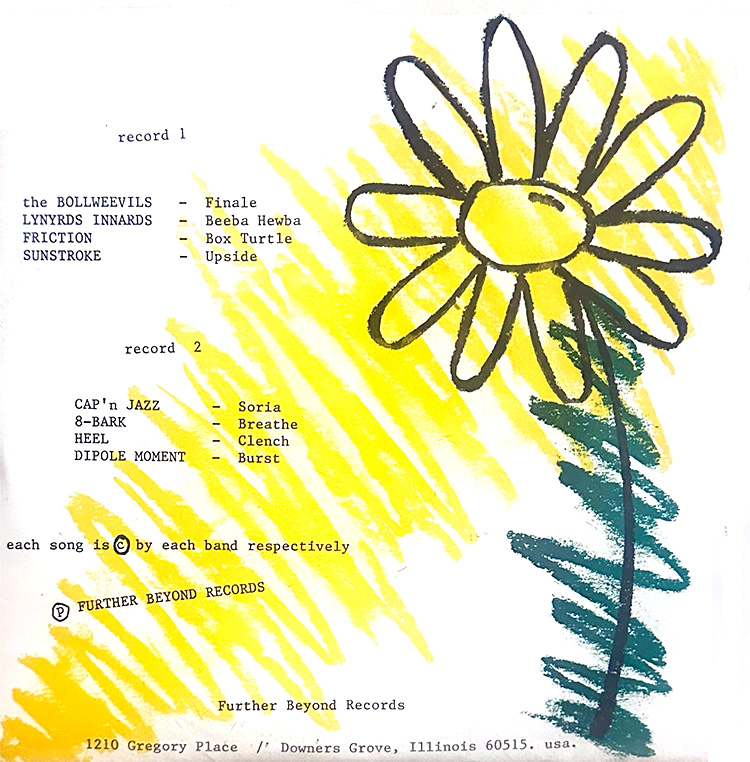
From 1992 to 1994, I ran a punk rock record label in Chicago called Further Beyond Records. My mom came up with the name and my brother taught me basic accounting so I could start my first business, but mostly, I learned from watching Scott at Shakefork Records, who basically mentored me. I released records by Cap'n Jazz, Heel, Trigwater, and Silence, plus two compilations: Picking More Daisies and A Very Punk Christmas.
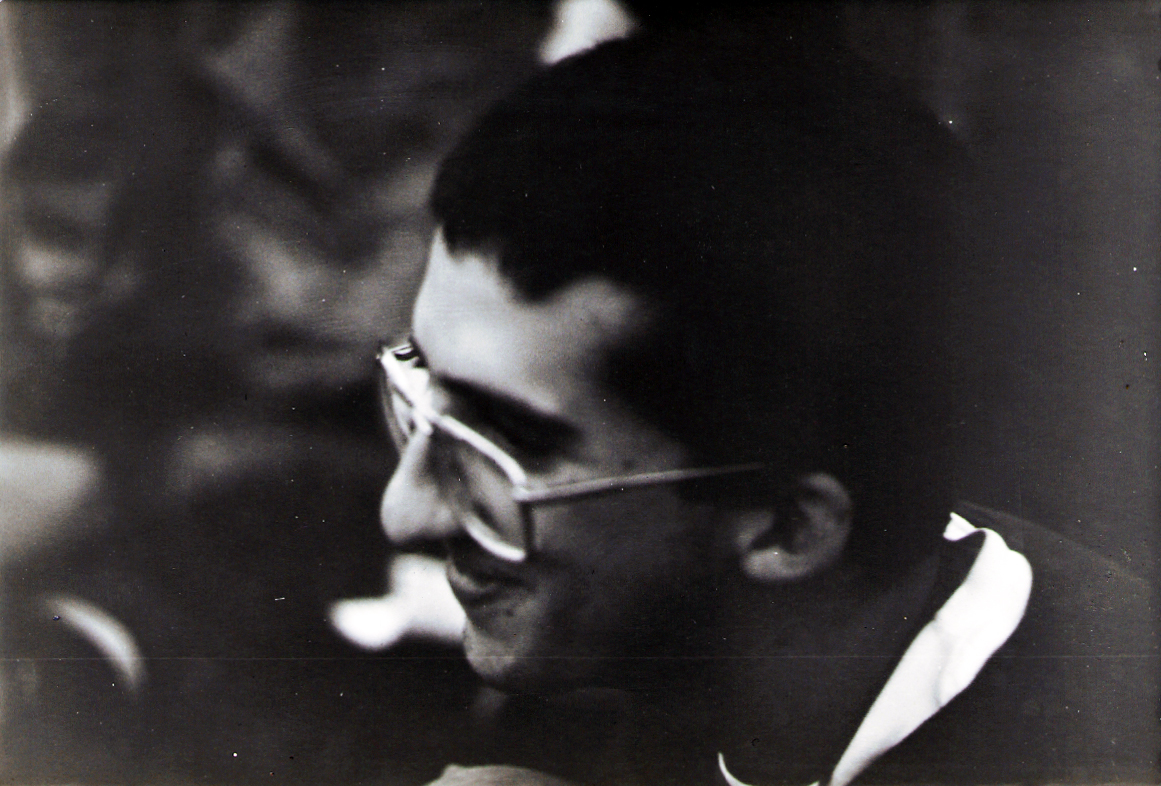
photo by lonewolf







Publishing
I made my first zine, From The Grave, in 1990, and spent most of my twenties in copy and print shops, learning the trade. From 1995 to 1997, I ran Basement Children Zine Distro out of a basement apartment in Chicago. We brought in personal and political zines from around the world and distributed them at punk shows and events. I've been writing, editing, designing, and publishing books and zines ever since.
Since 2022, I've run Midwest Villages & Voices as part of my work with the Meridel LeSueur Family Circle. Meridel and her daughters founded the press in the mid-1970s to publish the voices of working people and women. I've published two of her novels through the press.
Selected books + zines
Tools
If I have the ability, I like to build tools that solve problems. The following examples are things I built or experimented with. There are more, but these give a good range of stuff I like to try out.
Project Polyphonic · synchronized online recording
Early in the pandemic, musicians couldn't be in the same room. Project Polyphonic was a test to see if people could record synchronized music online, in real time, without it falling apart. We never fully solved the latency problem (nobody has), but the experiment taught us more than the tool did. We built it so the live performance had a rhythm that would lead and the other instruments would have something to play along to. The tool would auto-correct the sync and present it to the end user, nearly live. The audience could watch with a short delay, not really knowing the delay existed, and the artists appeared to be playing live. There were issues, of course, and we never got it off the ground, but we built it, and it was fun to play with.
mRelease · iPhone app
When the iPhone was still new-ish, before people were signing everything on their devices, I had this idea to take a talent release for film and put it in an app, giving people the ability to sign it on the phone. We were one of the first signature release apps to the market. I teamed up with an engineer in Seattle who built the app, and eventually handed him the project because he was able to maintain it. It was an interesting experience to get an app into the app store and to build a tool that directly helped the work I was doing on set. The tech advanced pretty quickly. Ours had stock releases and no web presence. Tools that overtook ours had web portals, custom releases, and a lot more features. But, for what it was, it did the job and did it well, and helped me understand how to build tools for film.
Newsletter
I quit social media in 2025 and have created this newsletter as a way to share projects and things coming across my world.
Issues, archives, and signup are all on Beehiiv.
Read the newsletter →About
My film credits span Academy Award-nominated, Emmy-winning, and Audience Award-winning work. Recent projects include Elements of Mutual Aid, a four-part docuseries on mutual aid organizing across North America, and Angels Are Made of Light, James Longley's portrait of a school in Kabul. I'm a member of the Producers Guild of America.
For the past several years I've been working at the intersection of filmmaking and emerging technology, building AI-powered tools for video production, speaking on panels, and thinking seriously about what this moment means for documentary ethics, authorship, and trust in media.
I also host Kitchen Dance Party, a weekly music history dance show on KRSM 98.9 FM. My current series, Roll Back the Rugs, traces how marginalized communities built their own cultural infrastructure as acts of resistance and survival.
I have an MA in Mental Health Counseling, which shapes how I approach story and the people in it. I grew up in the Chicago punk scene and started a record label at 17. Since then, I've traveled the world, sometimes hitch hiking and by freight train, in service and search of a story.
I live in South Minneapolis.